Analyzing Ruben Amorim's Departure from Manchester United
Following his dismissal from Manchester United, Ruben Amorim took to the streets for a wintry walk, reflecting on his turbulent tenure. Dive into the details of Amorim's exit and the underlying issues that led to his departure.

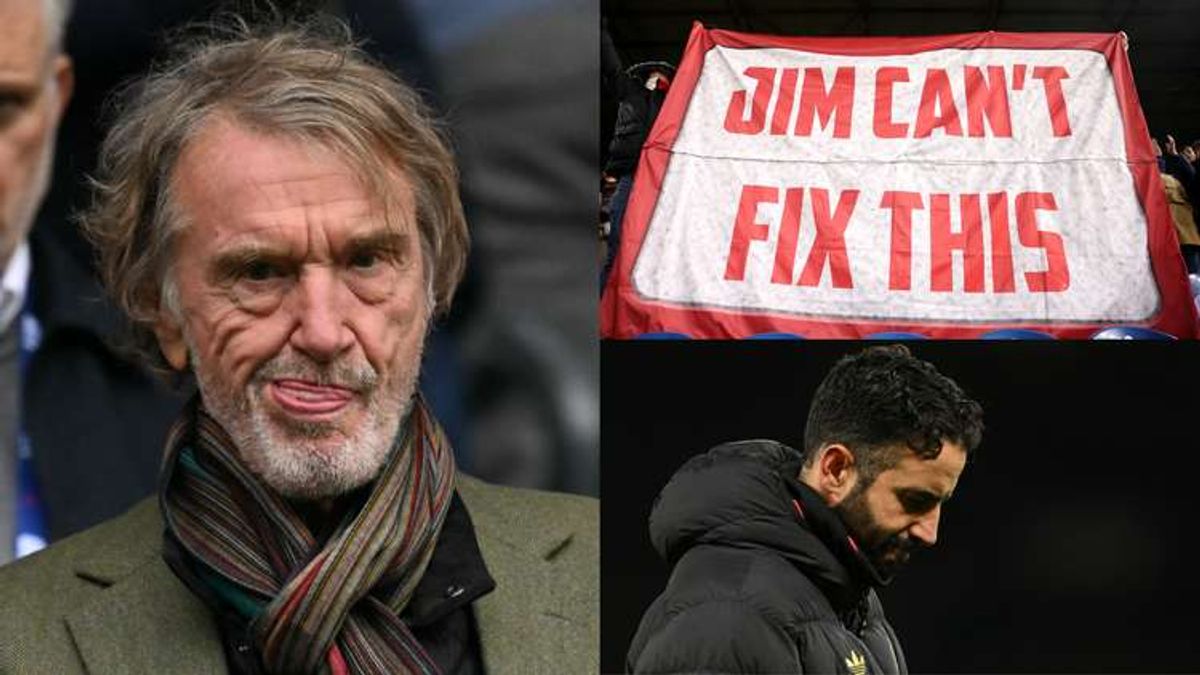
Just hours after he was sacked by Manchester United, Ruben Amorim put on a brave face and shared a few words with photographers after heading out for a wintry walk. The Portuguese boss was given the boot following an explosive attack on the United hierarchy and in the midst of another poor run of form.It was a morning of high drama for Amorim who was informed in the morning that he was being sacked by Manchester United by club chiefs and, instead of jumping on a plane straight back to the sunnier climes of his native Portugal, he decided to face the press and head out for a walk in the snow-covered streets of where he lives in the posh Hale area outside the city. Amorim was spotted by photographers as he and his wife Maria headed out for a walk in the cold January air and shared brief and courteous pleasantries with those waiting, wishing him good luck.Amorim's tenure failed due to a number of factors, including his rigid tactical philosophy, dismal results, and an irreparable breakdown in his relationship with the club's hierarchy. Amorim was wedded to his 3-4-3 system, once stating that "not even the Pope" could persuade him to change it, and this inflexible approach led to inconsistent and poor performances. His record was the worst of any permanent United manager in the Premier League era, with a win percentage of just 31.9 per cent. Tensions escalated over transfers and his role, with Amorim publicly expressing frustration at not having full control and criticising the club's transfer business and scouting department. This emotional and inconsistent behaviour led to his eventual dismissal by director of football Jason Wilcox and CEO Omar Berrada. Ultimately, a lack of on-pitch progress and an irreconcilable power struggle off it meant his project never succeeded.Add GOAL.com as a preferred source on Google to see more of our reportingFormer Man Utd goalkeeper Mark Bosnich has had his say on what should happen next at Old Trafford, telling the BBC: "I think the original mistake was to try and replicate Sir Alex Ferguson because you aren't going to get another one. You have got to adapt to the situation that you find yourselves in right here and right now. In my opinion, that is where a proper sporting director comes in to play. They should be an overseer of what is going on. "We heard Ruben Amorim and his cryptic comments point a finger in that direction but there are always two sides to every story. But I really think in terms of Manchester United and where they have gone, they do seem as far away [from the Premier League title] as they have been for 10 years. Last season they were 15th. This season they are sitting in sixth and it's still a salvageable season in terms of league position and with the variety of results that are going on. They could very well still get into the Champions League spot but as a title contender, they are still quite a way away."
Ruben Amorim's Tactical Rigidity and Inconsistent Results
Ruben Amorim's adherence to his 3-4-3 system proved to be a double-edged sword during his time at Manchester United. While the Portuguese boss remained steadfast in his tactical approach, it ultimately led to inconsistent and lackluster performances on the pitch. With a win percentage of just 31.9%, Amorim's record as United's manager fell short of expectations, raising concerns among the fans and club hierarchy.
Fractured Relations and Power Struggles
Amorim's tenure was marred by a breakdown in his relationship with the club's hierarchy. Public spats over transfers, control, and scouting highlighted the underlying tensions at Old Trafford. His emotional outbursts and inconsistent behavior only exacerbated the situation, culminating in his dismissal by director of football Jason Wilcox and CEO Omar Berrada. The power struggle off the pitch overshadowed any attempts at on-pitch progress, leading to an irreconcilable situation.
The Role of a Sporting Director and Future Prospects
Former Man Utd goalkeeper Mark Bosnich emphasized the need for a proper sporting director to oversee the club's operations in the wake of Amorim's exit. Bosnich highlighted the futility of trying to replicate Sir Alex Ferguson's era, stressing the importance of adapting to the current circumstances. As United navigate through a turbulent period, bridging the gap to the Premier League title remains a daunting task. With a salvageable season in terms of league position, securing Champions League qualification appears to be the immediate priority for the club's future prospects.